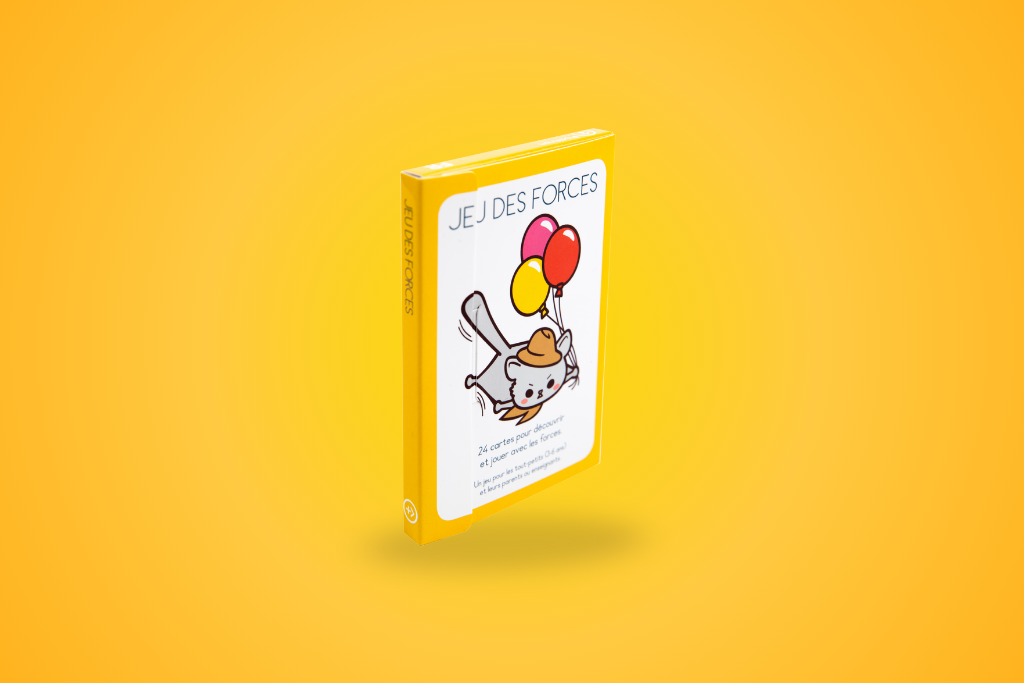

لعبة القوى
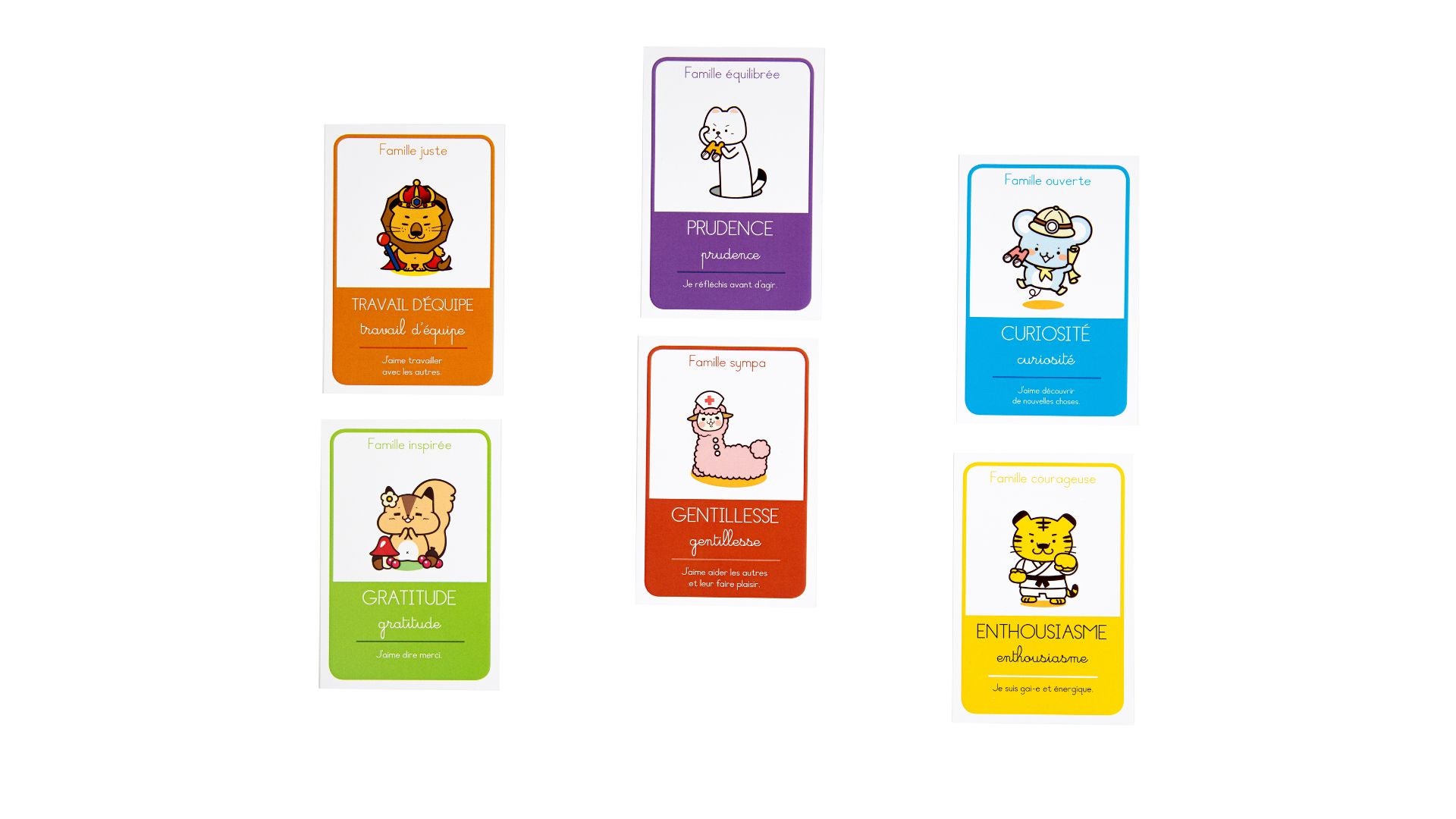
24 بطاقة تمثل نقاط القوة الشخصية العالمية الـ 24 التي حددها معهد VIA (معهد البحوث في علم النفس الإيجابي).
تتيح لنا لعبة نقاط القوة هذه التعرف على أنفسنا من خلال اكتشاف نقاط قوتنا، والنمو من خلال تطويرها، وتقدير نقاط قوة الآخرين، وتعزيز العلاقات الأصيلة والإيجابية.
قم بتنزيل هذه النشرة المعلوماتية دليل وصفي يقدم لك حوالي عشرين طريقة للعب لعبة القوى.
وصف المنتج
تُعدّ السمات الإيجابية جوهر علم النفس الإيجابي، وكذلك التعرف على نقاط القوة الشخصية وتنميتها. يُعرّف علم النفس الإيجابي بأنه "دراسة الظروف والعمليات التي تُسهم في ازدهار الأفراد والجماعات والمؤسسات أو أدائها الأمثل" (جابل وهايدت، 2005).
إن معرفة نقاط قوتك تعزز ثقتك بنفسك لأنها تساعد على بناء صورة إيجابية عن الذات. كما أنها تتيح لك فهم الآخرين بشكل أفضل ورؤيتهم من منظور نقاط قوتهم.
يمكن تعريف نقاط القوة بأنها الخصائص التي تمكّن الشخص من النجاح وتحقيق أقصى قدر من السعادة (وود وآخرون، 2011). ويمكن تنميتها وتطويرها. نقاط القوة هي أسلوبنا الطبيعي في العمل. فعندما نستخدم نقاط قوتنا، نكون صادقين مع أنفسنا (على حقيقتنا)، ونتمتع بالحيوية، ونحقق أداءً متميزاً.
تستند هذه المجموعة المكونة من 24 بطاقة إلى عمل سيليغمان وبيترسون، الذي نُشر عام 2004، حيث طورا تصنيفًا لـ 24 نقطة قوة عالمية معترف بها ومُقدّرة "عبر التاريخ والثقافات". وقد جُمعت هذه النقاط في 6 فئات من نقاط القوة ذات قيم أساسية متسقة، ولهذا السبب قُسّمت هذه البطاقات إلى 6 مجموعات.
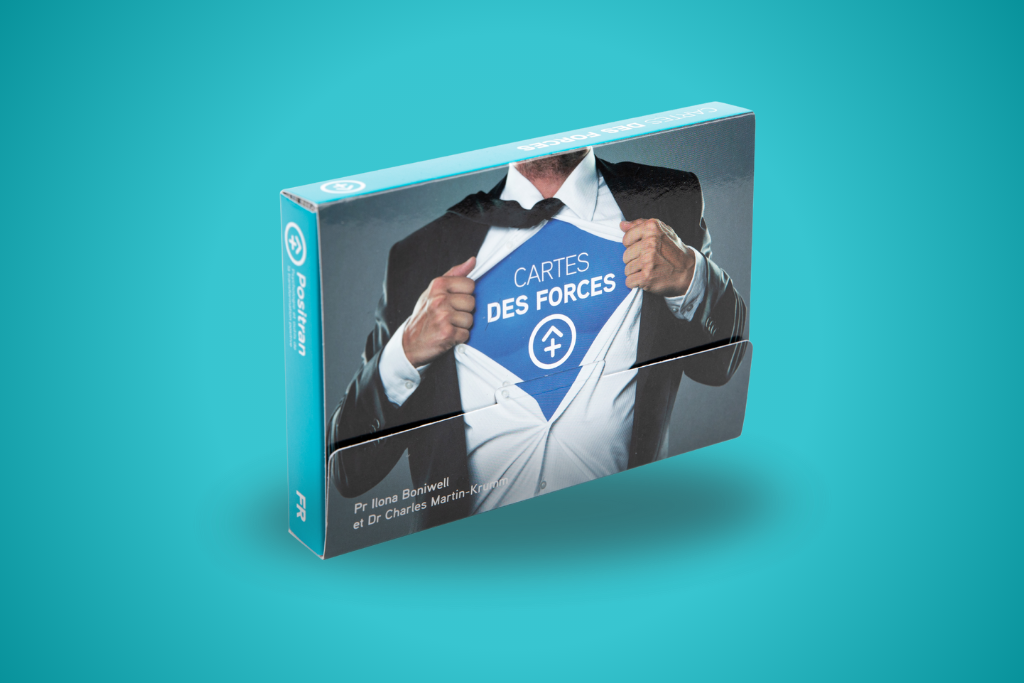
تم تبسيط المفردات لتناسب الأطفال. إذا كنت ترغب في العمل على ديناميكيات القوة بين البالغين، فراجع قسمنا خرائط القوات.
لمن هذه الرسالة موجهة؟
تم تصميم أداة "دعونا نلعب نقاط قوتنا" لأطفال رياض الأطفال والمدارس الابتدائية.
يمكن استخدام أسلوب "دعونا نلعب نقاط قوتنا" مع العائلة أو كأداة تعليمية أو تسهيلية.
في المدرسة، يمكن استخدام هذه اللعبة كجزء من برامج الرفاهية والتعلم الاجتماعي والعاطفي أو لدعم الأنشطة الرامية إلى تنمية الثقة بالنفس والوعي الذاتي.
استخدامه
"كل واحد منا لديه الكثير مما هو مخفي بداخله أكثر مما أتيحت له الفرصة لاستكشافه." (محمد يونس)
أمثلة على الأنشطة التي تستخدم لعبة القوة:
• اكتشاف نقاط قوتي؟
• منح القوة لشخص آخر (صديق، قريب، أخت، أخ، إلخ).
لكي نحدد قدرات الآخرين ونمكّنهم، يجب أن نكون قادرين على شرح خيارنا. على سبيل المثال: "أمنحك قوة الإبداع لأنك تصنع أشياء جميلة بيديك!"
• أبرز أحداث اليوم
ما الذي يجعلك تشعر بأنك على طبيعتك؟ ما هو أكثر شيء تفخر به؟ لو طُلب منك اختيار نقطة قوة واحدة من اليوم، فماذا ستكون؟ ولماذا هذه النقطة تحديداً، ولماذا اليوم تحديداً؟
• نقاط قوة الأبطال الخارقين
بمفردك أو مع والديك/أولياء أمورك، حدد بطلك الخارق المفضل. ما هي نقاط قوته؟ أيها تفضل؟ حدد موقفًا صعبًا تواجهه. ماذا سيفعل بطلك الخارق في هذا الموقف؟ كيف يمكنك التعلم منه؟
اكتشف حوالي عشرين طريقة للعب لعبة القوة هنا.
تُعدّ السمات الإيجابية جوهر علم النفس الإيجابي، وكذلك التعرف على نقاط القوة الشخصية وتنميتها. يُعرّف علم النفس الإيجابي بأنه "دراسة الظروف والعمليات التي تُسهم في ازدهار الأفراد والجماعات والمؤسسات أو أدائها الأمثل" (جابل وهايدت، 2005).
إن معرفة نقاط قوتك تعزز ثقتك بنفسك لأنها تساعد على بناء صورة إيجابية عن الذات. كما أنها تتيح لك فهم الآخرين بشكل أفضل ورؤيتهم من منظور نقاط قوتهم.
يمكن تعريف نقاط القوة بأنها الخصائص التي تمكّن الشخص من النجاح وتحقيق أقصى قدر من السعادة (وود وآخرون، 2011). ويمكن تنميتها وتطويرها. نقاط القوة هي أسلوبنا الطبيعي في العمل. فعندما نستخدم نقاط قوتنا، نكون صادقين مع أنفسنا (على حقيقتنا)، ونتمتع بالحيوية، ونحقق أداءً متميزاً.
تستند هذه المجموعة المكونة من 24 بطاقة إلى عمل سيليغمان وبيترسون، الذي نُشر عام 2004، حيث طورا تصنيفًا لـ 24 نقطة قوة عالمية معترف بها ومُقدّرة "عبر التاريخ والثقافات". وقد جُمعت هذه النقاط في 6 فئات من نقاط القوة ذات قيم أساسية متسقة، ولهذا السبب قُسّمت هذه البطاقات إلى 6 مجموعات.
تم تبسيط المفردات لتناسب الأطفال. إذا كنت ترغب في العمل على ديناميكيات القوة بين البالغين، فراجع قسمنا خرائط القوات.
تم تصميم أداة "دعونا نلعب نقاط قوتنا" لأطفال رياض الأطفال والمدارس الابتدائية.
يمكن استخدام أسلوب "دعونا نلعب نقاط قوتنا" مع العائلة أو كأداة تعليمية أو تسهيلية.
في المدرسة، يمكن استخدام هذه اللعبة كجزء من برامج الرفاهية والتعلم الاجتماعي والعاطفي أو لدعم الأنشطة الرامية إلى تنمية الثقة بالنفس والوعي الذاتي.
"كل واحد منا لديه الكثير مما هو مخفي بداخله أكثر مما أتيحت له الفرصة لاستكشافه." (محمد يونس)
أمثلة على الأنشطة التي تستخدم لعبة القوة:
• اكتشاف نقاط قوتي؟
• منح القوة لشخص آخر (صديق، قريب، أخت، أخ، إلخ).
لكي نحدد قدرات الآخرين ونمكّنهم، يجب أن نكون قادرين على شرح خيارنا. على سبيل المثال: "أمنحك قوة الإبداع لأنك تصنع أشياء جميلة بيديك!"
• أبرز أحداث اليوم
ما الذي يجعلك تشعر بأنك على طبيعتك؟ ما هو أكثر شيء تفخر به؟ لو طُلب منك اختيار نقطة قوة واحدة من اليوم، فماذا ستكون؟ ولماذا هذه النقطة تحديداً، ولماذا اليوم تحديداً؟
• نقاط قوة الأبطال الخارقين
بمفردك أو مع والديك/أولياء أمورك، حدد بطلك الخارق المفضل. ما هي نقاط قوته؟ أيها تفضل؟ حدد موقفًا صعبًا تواجهه. ماذا سيفعل بطلك الخارق في هذا الموقف؟ كيف يمكنك التعلم منه؟
اكتشف حوالي عشرين طريقة للعب لعبة القوة هنا.
منتجاتنا التكميلية